
THE CURIOUS TALE OF CATS AND BOXES
The curious tales of cats and boxes — including five reasons for this cardboard love affair backed by science.
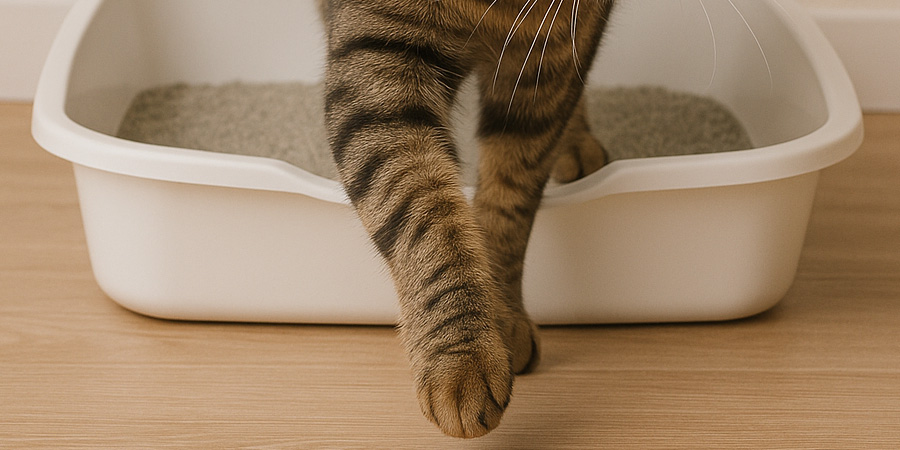
Why Does My Cat Do That? Weird Litter Box Behaviors Explained!
By Kristen Levine, cat care expert
Cats Being Cats
Ever watched your cat rocket out of the litter box like their tail’s on fire and wondered if they’ve completely lost their mind? Or maybe you’ve caught them scratching frantically at the air next to their box, performing some sort of invisible burial ritual?
Having lived with seven cats over the years and worked with hundreds more at the SPCA of Tampa Bay, I can confidently say that cats have elevated the ordinary business of going to the bathroom into a full-blown performance art.
Most of these seemingly bizarre behaviors are perfectly normal cat quirks that stem from wild instincts or individual personalities. But since no two cats are alike, what’s hilariously normal for one cat might be a red flag for another.
Before we explore these amusing behaviors, here’s an important note: while most litter box quirks are harmless, sudden changes in your cat’s bathroom routine—especially if accompanied by straining, crying, or avoiding the box entirely — warrant a call to your veterinarian.
Trust your instincts: you know your cat’s normal behavior better than anyone, and when something feels off, it’s always better to err on the side of caution.
The Post-Poop “Zoomies“
Nothing quite prepares you for witnessing your dignified house cat transform into a furry missile, careening around the house like they’ve just accomplished something truly magnificent.
Feline Victory Lap or Something More?
This phenomenon is so common it actually has a nickname among cat behaviorists: “poophoria.” The leading theory suggests that cats might experience a mild euphoric sensation when a nerve gets stimulated during defecation. Imagine feeling literally lighter and getting a sudden burst of energy!
From my experience having seven cats over the years, some are consistent zoomers while others are more of the “cool, calm, and collected” bathroom types. My cat Max was a consistent post-poop sprinter, while Olivia preferred a more dignified exit strategy.
Evolutionary Instinct
In the wild, hanging around your waste could attract predators. Your house cat’s instinct might be telling them to zoom away from the “scene of the crime” as quickly as possible—even though the biggest threat in your living room is probably that houseplant they’re not supposed to eat.
When to Be Concerned
For most cats, zoomies are completely normal. However, keep an eye out for these warning signs:
- Yowling or crying during or after using the box
- Visible straining or difficulty going
- Excessive scratching at their hindquarters after elimination
- Sudden changes in bathroom habits
If the post-poop sprint seems to be accompanied by discomfort—like your cat is running from pain rather than with joy—it could indicate issues like constipation or anal gland problems.
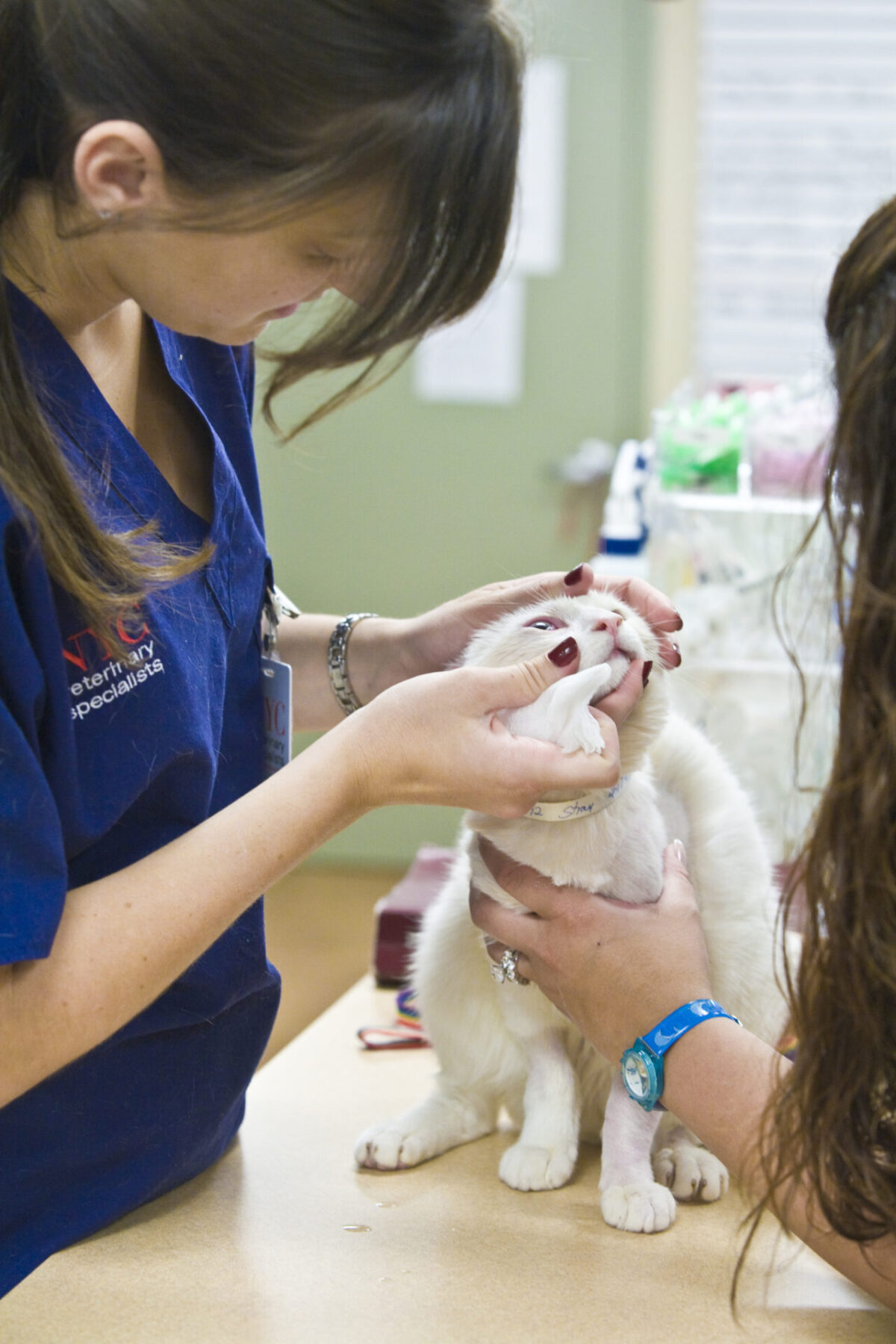
If you notice any of these concerning signs, contact your veterinarian for guidance.
Phantom Scratching & Digging
If cats gave out awards for “Most Dramatic Performance,” the phantom scratching category would be highly competitive.
Scratching the Air or Floor
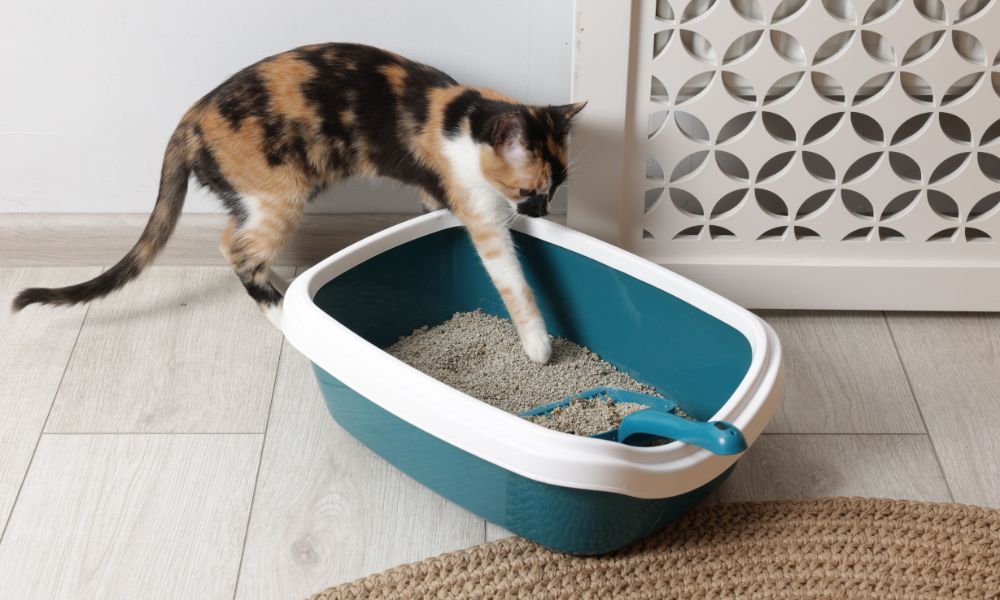
Picture this: your cat finishes their business, then proceeds to scratch at the wall, the floor next to the box, or even thin air with the intensity of someone trying to dig to China. This behavior stems from cats’ powerful instinct to bury their waste completely. When the litter isn’t quite right—maybe it’s too shallow or the box is too small—they’ll scratch around trying to cover that scent anyway.
The Extended Digging Session
My cat Chester (affectionately nicknamed “Poopie”) would dig and dig and dig in the box, taking several minutes to cover up his business and creating a huge mound of litter. It was like he was building a tiny litter pyramid to honor his accomplishments!
This extended digging can happen for several reasons:
- Pure enjoyment—some cats find the digging motion soothing
- OCD-like tendencies—they get stuck in the ritual
- Cleanliness standards—the box might not be clean enough
- Insufficient litter depth—they need more material to feel their “work” is properly covered
Pro tip: Make sure you’re providing enough litter (about 2-3 inches deep) and scooping regularly. A high-quality clumping litter like World’s Best Cat Litter Multi Cat Unscented can help satisfy even the most particular diggers.
Is It Problematic?
Generally speaking, scratching the sides of the box or nearby surfaces is harmless. However, watch for excessively long digging sessions (more than 5-10 minutes regularly) or scratching accompanied by other changes like appetite loss or hiding.
Other Quirky Rituals
Circling or Meowing Before Use
Some cats treat their litter box visit like a formal announcement. They’ll circle the area, meow as if saying “Attention everyone, I’m about to conduct important business!” or perform what I like to call the “inspection tour.”
At the SPCA, we’d often see newly arrived cats develop elaborate pre-bathroom routines as they adjusted to their temporary homes. It was their way of establishing some control and familiarity in an unfamiliar environment.
Using One Box for One Thing…
If you provide multiple litter boxes, you might notice your cat designating one for pee and another for poop. This isn’t weird—it’s actually quite common and completely normal! Many cats prefer not to mix their bathroom activities.
The Post-Poop Check-In
Ever notice your cat bolt from the box, then sheepishly return to sniff around or do a little more scratching? This double-checking behavior usually means they’re making sure everything’s properly buried or completing their ritual to their satisfaction.
When Weird Means Trouble: Litter Box Red Flags
While most quirky litter box behaviors are harmless personality traits, some signal genuine problems that need attention.
Sudden Changes in Habit
Your cat is your best baseline for what’s normal. If they suddenly develop new bathroom behaviors out of nowhere, pay attention.
Sudden behavioral changes often signal medical issues, stress, or environmental problems that need addressing.
Avoidance or Accidents
If “weird behavior” includes avoiding the litter box or having accidents near (but not in) the box, that’s a major red flag. This could indicate urinary tract infections, bladder stones, arthritis, or stress from environmental changes.
Consider trying World’s Best Cat Litter Health Check-In™ Boosters™, which can help detect blood in urine early, potentially catching health issues before they become serious problems.
Excessive Straining or Vocalizing
This is where “weird” becomes “emergency.” If your cat is straining repeatedly without producing anything, crying in distress while in the box, or making multiple trips to the box in a short time, these could indicate a blocked urethra (especially in male cats), severe constipation, or other medical emergencies. When in doubt, call your vet immediately.
Embrace the Quirk!
After years of living with multiple cats and helping countless others through my work at the SPCA, I’ve learned that most litter box oddities are just part of what makes cats so wonderfully, weirdly themselves.
The key is knowing your individual cat’s normal routine so you can spot when something genuinely changes. Most of the time, those quirky behaviors that make you laugh are perfectly healthy expressions of your cat’s instincts and personality.
Of course, providing a high-quality, dust-free litter can help minimize some behavioral issues by reducing irritants that might cause avoidance or discomfort. World’s Best Cat Litter offers several natural formulas designed for different needs, so you can find the right fit for your cat’s quirks and preferences.
So the next time your cat performs their post-bathroom victory dance or spends ten minutes creating the perfect litter sculpture, take a moment to appreciate the delightful weirdness of sharing your life with a feline. After all, life would be pretty boring if cats were predictable, wouldn’t it?
Does your cat have any funny or weird litter box habits that leave you scratching your head? Share your stories—I’d love to hear about the unique personalities in your household!
For more insights into cat behavior and litter box tips, explore our Clearing the Air blog for expert advice on keeping your feline friends happy and healthy.

Crazy About Cats?
Sign up for our monthly email to get the inside scoop on deals, cat care tips, contests, and more!
RELATED POSTS
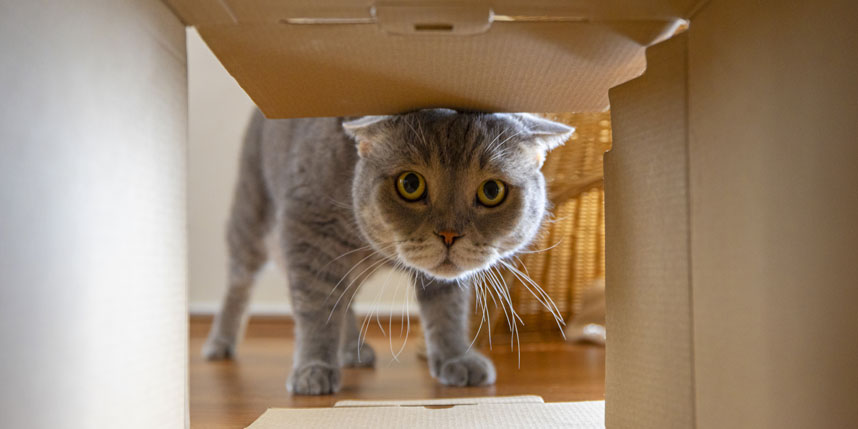
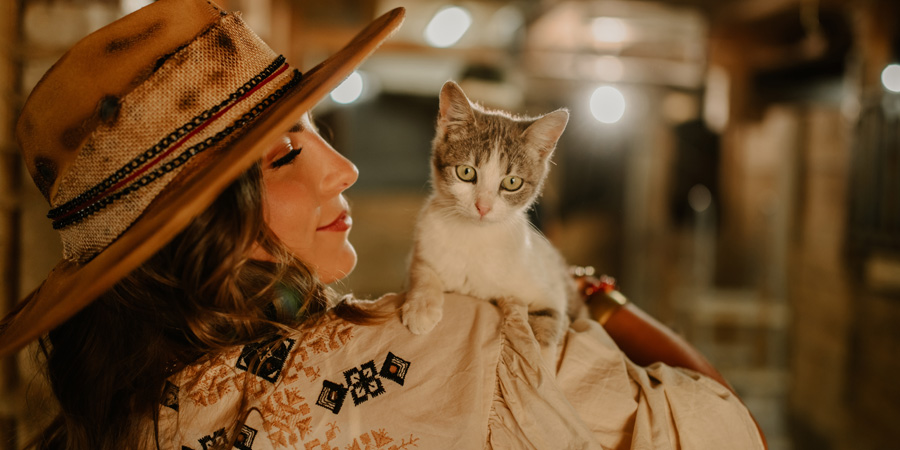
THE ULTIMATE GUIDE TO CATS IN DALLAS-FORT WORTH, TX
Discover all things cats in the Dallas-Fort Worth area — from top-rated cat cafes and adoption centers to can't-miss local events.
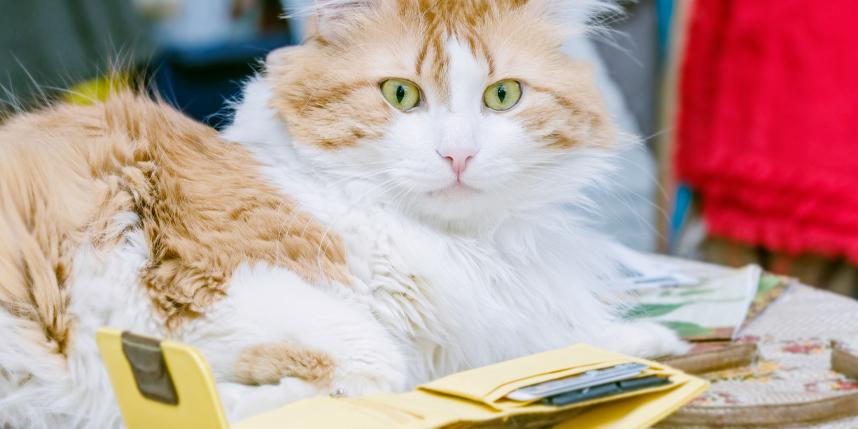
HOW MUCH DOES A CAT COST? (2025 EDITION)
Thinking of adopting a cat? Make sure you can afford it first. We break down the costs of cat ownership, so you know what to expect before you adopt.